A knee that gives way when you turn, change direction, or come down from a jump can make even familiar activities feel uncertain. If you have torn your anterior cruciate ligament (ACL), you may be dealing with more than pain and swelling.
You may also be wondering whether your knee will feel stable again, whether you can return to sport, and if surgery is the right decision for you.
ACL Reconstruction Surgeon Bushey: Understanding Your Treatment Options
Consulting an ACL Reconstruction Surgeon Bushey can help you understand the injury and the options available before deciding how to proceed.
At Herts Hip & Knee, Mr Ravi Popat is a Consultant Trauma and Orthopaedic Surgeon with a specialist interest in knee and sports injuries, including ligament reconstruction and arthroscopic surgery.
His approach focuses on assessing the problem carefully and considering treatment in the context of each patient’s knee function, activity levels and goals.
An ACL injury does not automatically mean that surgery is necessary. The important first step is to establish the extent of the damage and understand how it affects your knee.
When an ACL Injury Becomes More Than a Sporting Problem
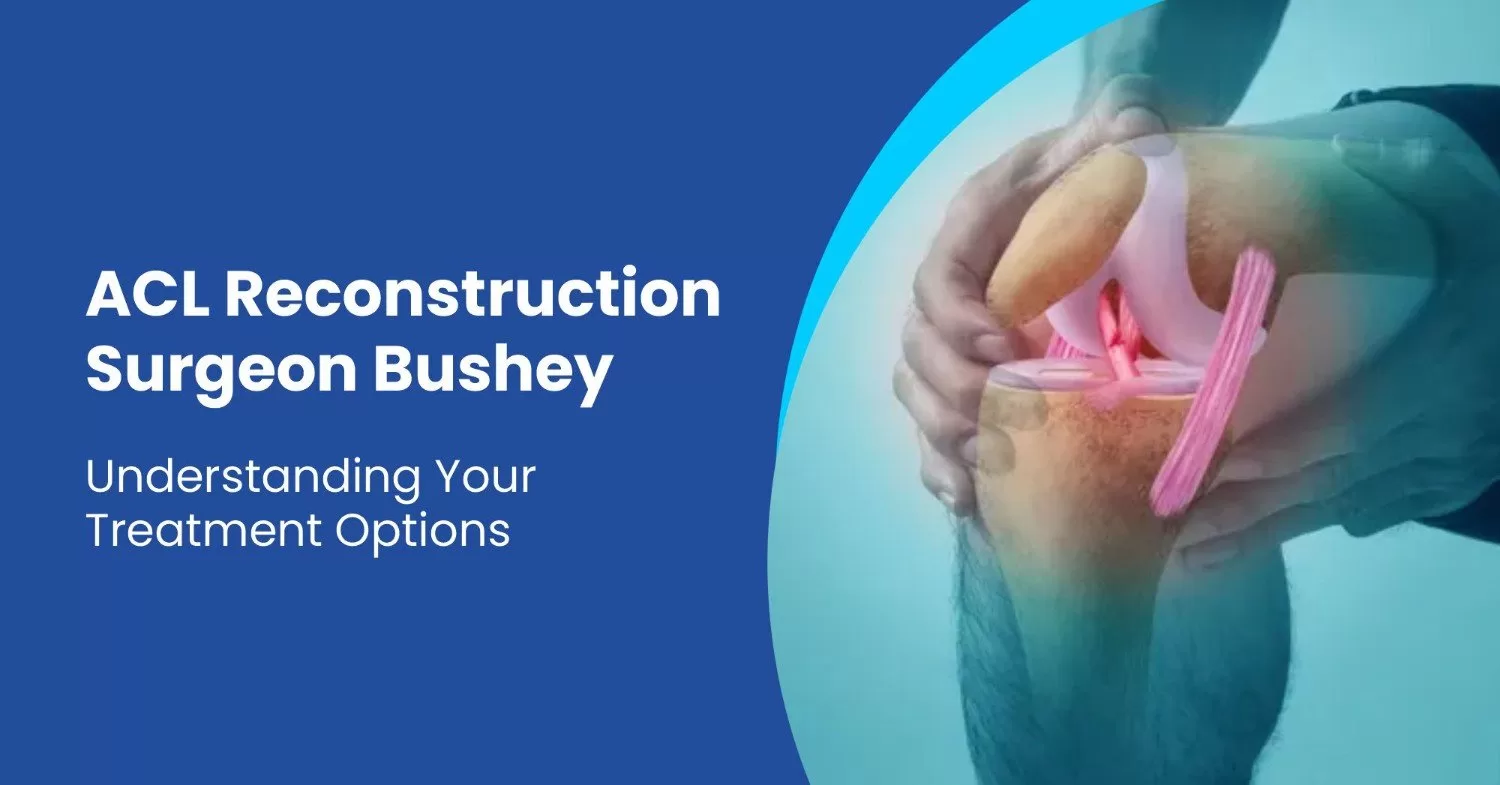
The anterior cruciate ligament sits inside the knee and helps control the movement of the shinbone in relation to the thighbone. It also contributes to stability when the knee twists, pivots or changes direction quickly.
ACL injuries often occur during sports such as football, rugby, basketball and skiing. A sudden change of direction, an awkward landing or a rapid stop can place excessive stress on the ligament. However, these injuries are not limited to athletes. A fall or an unexpected twisting movement can also cause significant damage.
Some people hear or feel a pop when the injury occurs. Swelling may develop within the first few hours, and putting weight through the leg can become uncomfortable. As the initial pain settles, the knee may still feel unreliable, particularly during movements that involve turning or sudden changes of direction.
This last symptom deserves attention. A person may be able to walk in a straight line yet struggle with movements that require the knee to respond quickly. Repeated episodes of the knee giving way can affect confidence and may place additional strain on other structures within the joint.
An ACL tear can also occur alongside damage to the meniscus, cartilage or other knee ligaments. This is one reason why an assessment should look beyond the initial swelling or pain.
ACL Reconstruction Surgeon Bushey: Why an Accurate Diagnosis Matters
Not every painful or unstable knee has the same underlying problem. A careful assessment helps distinguish an ACL tear from other injuries that can produce similar symptoms.
Your consultation will usually begin with a discussion of how the injury happened, what you felt at the time and how the knee has behaved since. The surgeon may ask whether you can fully straighten the leg, whether swelling has returned, and whether the knee feels unstable during everyday activities.
A physical examination can help assess ligament stability, movement and tenderness. Depending on the findings, an MRI scan may be recommended to confirm the ACL injury and identify associated damage. X-rays may also be useful where a fracture or other bony problem needs to be considered.
The diagnosis matters because treatment depends on more than whether the ligament is torn. The degree of instability, the condition of the rest of the knee, your age, your usual activities and your expectations all influence the decision.
For example, someone who mainly wants to walk comfortably and has a relatively stable knee may have different treatment needs from someone who regularly plays a pivoting sport and experiences repeated episodes of giving way.
A consultation with an ACL Reconstruction Surgeon Bushey should therefore help you understand both the injury itself and what it means for your daily life. It should also give you a clear explanation of the options, including their likely benefits, limitations and recovery demands.
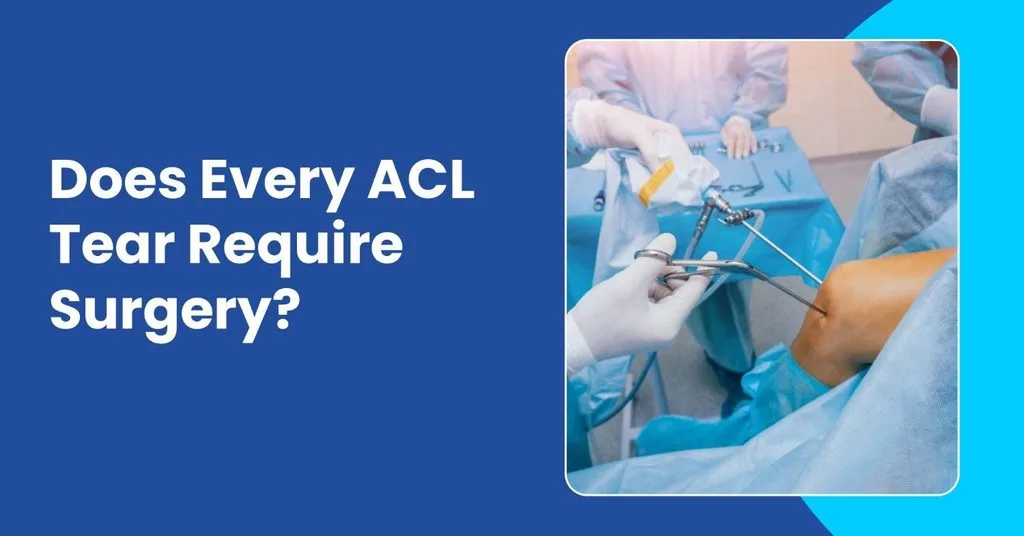
Does Every ACL Tear Require Surgery?
No. Some people manage an ACL injury with structured physiotherapy and changes to their activities. Others continue to experience instability despite rehabilitation and may benefit from reconstruction.
Non-surgical treatment can include exercises to restore knee movement, improve muscle strength and develop better control of the leg. The aim is to help the surrounding muscles support the joint and improve its function. A physiotherapist can also guide the gradual return to suitable activities.
However, rehabilitation cannot restore a completely torn ACL to its original structure. Whether the knee can function well without reconstruction depends on several factors, including the extent of the injury and the demands placed on it.
Surgery may be considered when the knee repeatedly gives way, when a person wants to return to activities involving cutting and pivoting, or when instability continues despite appropriate rehabilitation. Associated injuries may also influence the treatment plan.
There is no single decision that suits everyone. Some patients prefer to avoid surgery if their knee functions well with rehabilitation. Others find that instability prevents them from returning to the activities they value.
The discussion should be practical rather than rushed. It is worth considering what you want your knee to do, how much instability you experience, and whether the demands of recovery fit your circumstances.
What Happens During ACL Reconstruction?
ACL reconstruction is an operation in which the damaged ligament is replaced with a graft. The graft commonly comes from a tendon taken from another part of the patient’s body. In selected circumstances, other graft options may be discussed.
The procedure is generally performed using arthroscopic techniques, which involve a small camera and instruments inserted through small incisions around the knee. The surgeon prepares the appropriate positions in the thighbone and shinbone, places the graft and secures it so that it can support the knee while healing takes place.
The precise technique and graft choice depend on the individual case, the surgeon’s assessment and the patient’s circumstances. If the meniscus or other structures are also damaged, additional treatment may be needed during the same operation.
It is important to understand that reconstruction does not produce an instantly healed ligament. The graft needs time to integrate and mature, while the muscles around the knee need to regain strength and coordination. Rehabilitation is therefore an essential part of the treatment, not an optional extra after surgery.
Your surgeon should explain the proposed procedure, the reasons for recommending it, the potential risks and the alternatives. You should also have an opportunity to discuss any concerns about pain, time away from work, driving, caring responsibilities or returning to sport.
ACL Reconstruction Surgeon Bushey: Choosing Treatment Around Your Goals
The right treatment plan should reflect what you need your knee to do after recovery. Two people with similar MRI findings may have different priorities and may not require the same approach.
For someone who plays competitive sport, knee stability during rapid turns and changes of direction may be a major concern. Another person may be more interested in walking comfortably, using stairs without apprehension or returning to a physically demanding job.
These differences matter when discussing reconstruction. Surgery may help address instability, but it involves risks and a substantial rehabilitation commitment. The outcome also depends on factors such as the condition of the knee, associated injuries, adherence to rehabilitation and the demands of the activities a patient hopes to resume.
Mr Ravi Popat, Consultant Trauma and Orthopaedic Surgeon at Herts Hip & Knee, has a specialist interest in sports injuries, ligament repair and reconstruction, and knee arthroscopy.
He practises at Spire Bushey Hospital and Spire Harpenden Hospital, with further clinic locations listed by Herts Hip & Knee.
For patients considering ACL reconstruction, the consultation is an opportunity to discuss the diagnosis, understand the available options and make a decision based on clinical findings rather than assumptions about what a torn ligament always requires.
The aim is to establish a sensible treatment plan that takes account of the injury and the person living with it.
Knee Arthroscopy Bushey: Looking for Associated Damage
An ACL tear is not always an isolated injury. The same force that damages the ligament can also affect the meniscus, cartilage or other structures that help the knee move and bear weight.
The meniscus consists of two pieces of cartilage that help distribute load within the joint. A tear may cause pain along the joint line, swelling, catching or difficulty moving the knee normally. Cartilage damage can also contribute to discomfort and may affect longer-term joint function.
Knee arthroscopy allows a surgeon to examine the inside of the joint using a small camera. Depending on the injury, arthroscopic surgery may be used to treat certain meniscal or cartilage problems as well as perform ACL reconstruction.
Not every associated injury requires an operation. Some findings can be managed without surgery, while others may need to be addressed to support knee function. The decision depends on the type, location and severity of the damage, along with the patient’s symptoms and goals.
This is why a complete assessment is important. Treating the ACL alone may not address every source of pain or mechanical symptoms if other injuries are present.
Recovery After ACL Reconstruction: What Should You Expect?
Recovery takes time, and progress is rarely identical for every patient. The early stages usually focus on controlling swelling, regaining knee movement, activating the thigh muscles and learning to walk safely. Your rehabilitation programme will then progress as strength, balance and control improve.
Physiotherapy helps rebuild the strength and coordination needed to support the knee. Exercises may gradually move from basic movement and muscle activation to balance work, controlled loading and more demanding functional activities.
Returning to work depends on the nature of the job. Someone working at a desk may be able to return sooner than someone whose role involves prolonged standing, heavy lifting, climbing or frequent movement. Driving should resume only when it is safe to control the vehicle and any relevant medical guidance has been followed.
Returning to sport requires particular care. Feeling less pain does not necessarily mean that the reconstructed ligament and surrounding muscles are ready for unrestricted activity. A return-to-sport decision should consider strength, movement quality, knee stability, functional testing and the demands of the sport.
For some patients, the full process takes many months. Returning to demanding pivoting sports can take around a year, and the timeline may be longer or shorter depending on progress and individual circumstances. Rushing the process can undermine recovery.
Before surgery, ask your care team what rehabilitation will involve, how often you may need physiotherapy, and which milestones will guide your progress. Knowing what lies ahead can make it easier to plan work, family responsibilities and daily routines.
What If You Decide Against Surgery?
Choosing not to undergo ACL reconstruction does not mean doing nothing. If non-surgical treatment is appropriate, rehabilitation can help improve strength, balance and control. Your physiotherapist may also advise changes to activities that repeatedly provoke instability.
The key question is whether the knee becomes dependable enough for your usual activities. If it continues to give way, especially during turning or uneven movements, you should return for a review. Repeated instability can increase the risk of further damage to structures such as the meniscus.
A decision to avoid surgery should be based on an assessment of the knee and an understanding of the activities you want to continue. It is also reasonable to revisit the decision if your symptoms or goals change.
Equally, surgery should not be viewed as a shortcut around rehabilitation. Reconstruction requires commitment before and after the procedure. The best choice is the one made with a clear understanding of both routes and their implications.
When Should You See a Knee Specialist in Bushey?
Arrange an assessment if your knee repeatedly gives way, remains swollen after an injury, cannot fully straighten, or continues to limit normal activities. These symptoms do not confirm an ACL tear on their own, but they warrant appropriate evaluation.
Seek urgent medical advice if the injury causes severe pain, significant deformity, an inability to bear weight, or a cold, numb or unusually pale foot. These symptoms can indicate a more serious problem that needs prompt assessment.
If you have already been diagnosed with an ACL tear, a specialist consultation can help clarify whether continued rehabilitation, reconstruction or treatment for associated damage is appropriate.
Herts Hip & Knee offers consultations for hip and knee conditions, including sports injuries and ligament problems. Mr Ravi Popat’s specialist interests include knee ligament reconstruction and arthroscopy. Patients can contact the clinic to discuss an appointment and the most suitable location.
To arrange a consultation, call +44 1582 328476 or email contact@hertshipandknee.com. You can also visit the Herts Hip & Knee website to review clinic locations and appointment information.
Frequently Asked Questions
1. How Do I Find the Right ACL Reconstruction Surgeon in Bushey?
Look for an orthopaedic surgeon with relevant experience in knee ligament injuries and reconstruction. Ask how the injury will be assessed, whether associated damage needs treatment, what alternatives are available, and what rehabilitation involves. The consultation should help you understand the reasoning behind the proposed treatment and allow you to discuss your goals.
At Herts Hip & Knee, Mr Ravi Popat is a Consultant Trauma and Orthopaedic Surgeon with a specialist interest in sports knee injuries, ligament reconstruction and knee arthroscopy.
2. Is ACL Surgery Always Necessary After a Complete Tear?
No. Some people can manage a complete ACL tear with physiotherapy and activity modification, particularly if the knee becomes stable enough for their needs. Reconstruction may be considered when instability persists, when the patient wants to return to demanding pivoting activities, or when other injuries affect the treatment decision. A specialist assessment helps determine which approach is appropriate.
3. How Long Does It Take to Recover from ACL Reconstruction?
Recovery usually takes several months, with more demanding activities requiring additional time. Returning to pivoting sports can take up to a year for some patients. Progress depends on the injury, the procedure, strength, movement control and rehabilitation. Your surgeon and physiotherapist will guide the return to specific activities.
4. Can An ACL Tear Cause Further Knee Damage?
An ACL tear can occur alongside meniscal or cartilage injuries. Repeated episodes of the knee giving way may also increase the risk of further damage. This does not mean that every ACL tear will lead to additional problems, but persistent instability should be assessed rather than ignored.
5. What Should I Bring to My First ACL Consultation?
Bring any MRI or X-ray reports and images, details of previous treatment, and a list of medicines you take. It can also help to note how the injury happened, which movements cause difficulty, and what activities you hope to return to. These details help make the consultation more focused and useful.
Discuss Your ACL Injury with Herts Hip & Knee
An ACL tear can raise difficult questions about sport, work, exercise and everyday independence. The first step is not necessarily deciding on surgery. It is understanding the injury, establishing why the knee feels unstable and weighing up the treatment options available to you.
If you are looking for an ACL Reconstruction Surgeon in Bushey, Herts Hip & Knee can help you arrange a consultation with Mr Ravi Popat to discuss your symptoms and treatment options.
Contact the clinic:
- Telephone: +44 1582 328476
- Email: contact@hertshipandknee.com
- Website: https://hertshipandknee.com/