When knee arthritis starts dictating how you plan your day, the problem is no longer just the pain itself. You may be walking shorter distances, avoiding stairs or turning down activities because you cannot rely on your knee to feel comfortable.
If medication, physiotherapy, and other treatments haven’t helped enough, knee replacement may be worth discussing with a specialist. For patients exploring Robotic Knee Replacement Hertfordshire, the next question is whether robotic assistance offers a useful option for their particular condition.
Robotic-assisted knee replacement uses computer-based planning and specialised technology to help the surgeon plan and carry out parts of the operation. The surgeon remains in control throughout. The technology can improve precision, but it does not guarantee better results or make the procedure suitable for everyone.
At Herts Hip & Knee, Mr Ravi Popat is a Consultant Trauma and Orthopaedic Surgeon specialising in hip and knee conditions, joint replacement and sports injuries. His clinical interests include robotic-assisted joint replacement as well as partial and total knee replacement.
The decision should begin with the knee itself: how much damage is present, how severely symptoms affect daily life and whether surgery is likely to offer a worthwhile improvement. Only then does it make sense to consider which surgical approach may be appropriate.
When Does Knee Arthritis Make Replacement Worth Considering?
Knee osteoarthritis often develops gradually. At first, you may notice stiffness after sitting, discomfort on stairs or pain following a longer walk. As the condition progresses, activities that once required little thought can become increasingly difficult.
Some people find that their knees ache at night. Others struggle to stand for long periods, get up from a low chair or maintain their usual exercise routine. Swelling and reduced movement may also develop.
These changes can affect more than physical mobility. You might begin avoiding outings because you are unsure how much walking they will involve. Over time, reduced activity can make it harder to maintain muscle strength and general fitness.
Non-surgical treatment remains important for many people with osteoarthritis. Physiotherapy, appropriate exercise, weight management where relevant and pain relief may help manage symptoms. However, when pain remains substantial and everyday movement becomes increasingly restricted, a discussion about knee replacement may be appropriate.
The decision should not be based on an X-ray alone. Your symptoms, examination findings, general health and response to previous treatment all matter. A specialist can help you understand whether the joint damage explains your symptoms and what options remain available.
Robotic Knee Replacement Hertfordshire: Understanding the Technology
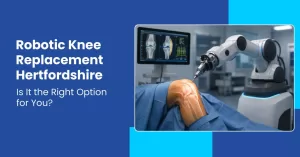
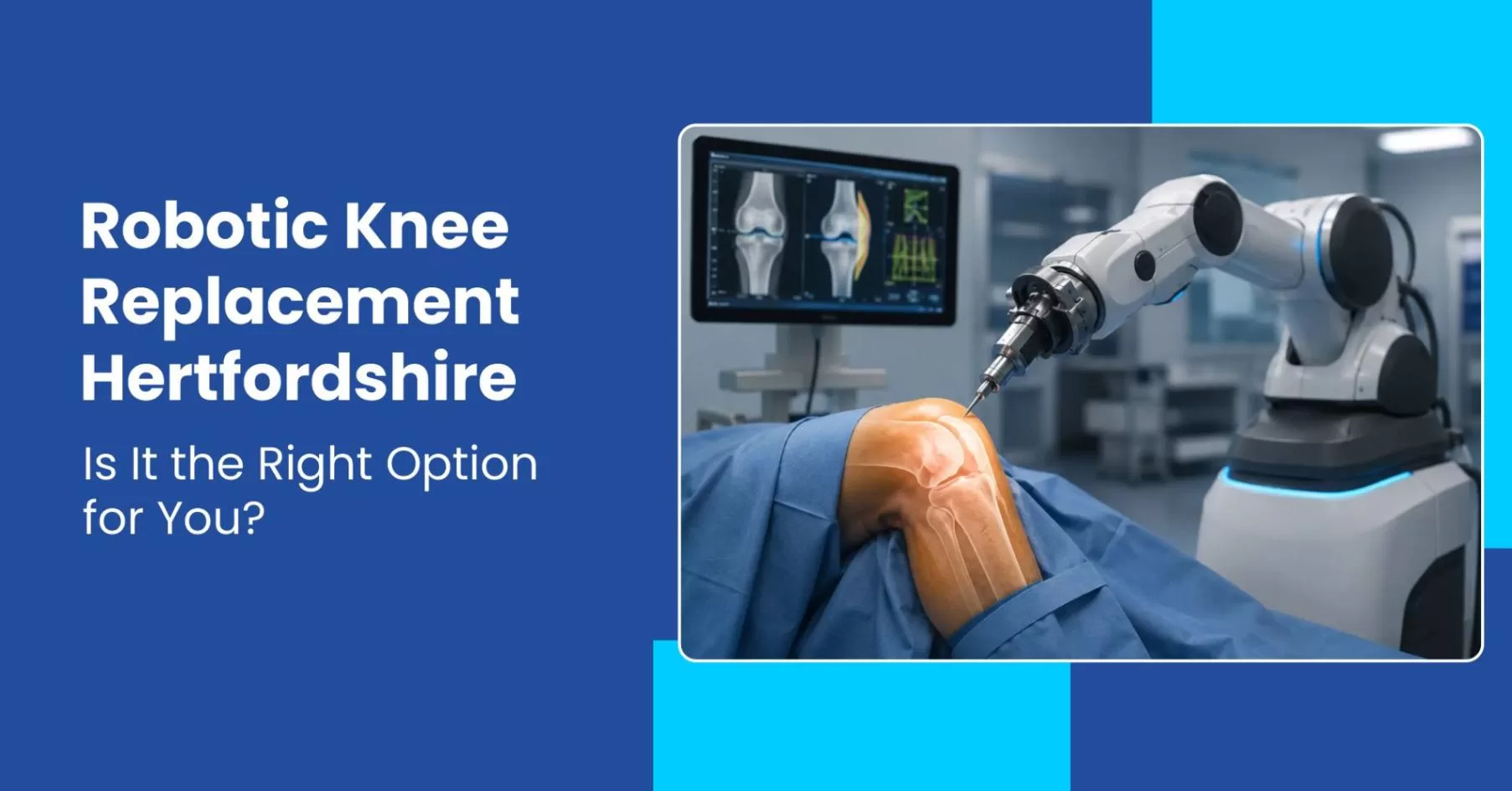
Robotic-assisted knee replacement combines the surgeon’s clinical judgement with computer-based planning and specialised surgical technology.
Depending on the system used, imaging and measurements of the knee help the surgeon plan the procedure. During surgery, the technology can provide information about the joint’s anatomy, alignment and movement, helping the surgeon carry out the planned steps.
The robot does not independently perform the operation. The surgeon remains responsible for assessing the knee, choosing the appropriate procedure, positioning the implant and making decisions throughout surgery.
The purpose of robotic assistance is to support planning and surgical precision. It can help the surgeon tailor aspects of the procedure to the patient’s anatomy rather than relying solely on standard measurements.
However, robotic systems differ, and the exact process depends on the technology and surgical approach being used. It is reasonable to ask your consultant which system they use, how it supports the procedure and why they believe it may be suitable in your case.
Robotic assistance is a tool, not a guarantee of a particular result. The surgeon’s experience, the condition of the knee, the choice of implant and rehabilitation after surgery remain important parts of the overall treatment.
Robotic Knee Replacement Surgeon Hertfordshire: Who May Be Suitable?
Robotic-assisted surgery is not necessary for every patient who needs a knee replacement. Suitability depends on the type of arthritis, the condition of the joint and the surgeon’s assessment.
You may wish to discuss this approach if you have been diagnosed with significant knee osteoarthritis and non-surgical treatments no longer provide enough relief. Your specialist will assess the location and extent of the damage, your knee alignment, ligament function and the effect of symptoms on daily activities.
Your general health also matters. Existing medical conditions, previous operations and your ability to participate in rehabilitation may influence the timing and planning of surgery.
Some patients may be suitable for a partial knee replacement rather than a total replacement. A partial procedure treats the affected compartment of the knee, while a total replacement addresses more widespread joint damage.
The appropriate option depends on the distribution of arthritis and the condition of the remaining joint structures.
At Herts Hip & Knee, Mr Ravi Popat has a specialist interest in partial and total knee replacement, alongside robotic-assisted joint surgery. This range of experience is relevant when discussing treatment because the consultation can consider the condition of the knee first, rather than assuming that one technique is right for everyone.
What Can Robotic Assistance Offer?
One reason surgeons use robotic assistance is to support accurate planning and implant positioning. The technology may help the surgeon assess the knee in greater detail and tailor aspects of the operation to the individual.
For patients, the potential value lies in how this contributes to the overall surgical plan. A well-planned procedure aims to address the damaged joint while considering alignment, stability and movement.
It is important, however, to keep expectations realistic. Robotic assistance does not eliminate the risks of surgery, guarantee that pain will disappear or ensure a faster recovery for every patient. Outcomes depend on several factors, including the severity of arthritis, general health, surgical technique and rehabilitation.
When discussing Robotic Knee Replacement Hertfordshire, ask your surgeon what specific advantages the technology may offer in your case. You should also understand how those potential benefits compare with conventional knee replacement.
The best surgical approach is the one that suits the patient’s clinical needs. Technology can support that decision, but it should not replace an individual assessment or a clear discussion of alternatives.
What Happens During Robotic Knee Replacement Surgery?
Before surgery, your consultant will review your symptoms, medical history, examination findings and relevant imaging. This information helps establish whether a knee replacement is appropriate and allows the surgical team to plan the procedure.
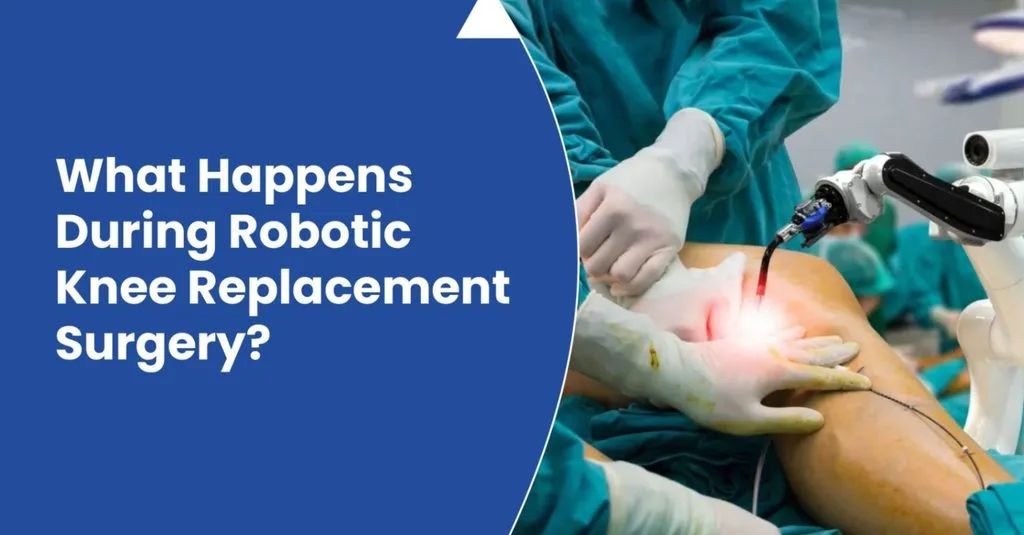
The operation is performed under an appropriate anaesthetic. The surgeon removes the damaged joint surfaces and prepares the knee to receive the replacement components. Robotic-assisted technology may guide parts of the procedure, depending on the system and surgical plan.
The implant replaces the damaged joint surfaces, allowing the knee to move against artificial components designed for joint function. The surgeon checks the fit, alignment and stability of the knee before completing the operation.
The details vary according to whether you need a partial or total knee replacement and which robotic system is being used. Your consultant should explain the proposed procedure before you agree to surgery.
You should also ask about the expected hospital stay, pain management, wound care and the support available after discharge. Knowing what to expect can help you prepare your home and arrange any assistance you may need during the first stage of recovery.
Recovery After Robotic Knee Replacement
Recovery does not end when the operation is complete. Rehabilitation plays a major role in helping you regain movement, strength and confidence in the knee.
Patients are generally encouraged to begin moving as advised by the clinical team. Early rehabilitation focuses on safe mobility, knee movement and exercises that activate the muscles supporting the joint. Physiotherapy then progresses according to the patient’s recovery.
You may experience discomfort, swelling and stiffness during the early stages. These symptoms need time and appropriate management to settle. Your team will explain how to care for the wound, manage activity and recognise symptoms that require medical attention.
The time needed to return to work, driving, longer walks and exercise varies. Your general health, the type of operation, strength before surgery and progress with rehabilitation all influence the timeline.
Robotic assistance does not remove the need for rehabilitation. Even when surgery goes as planned, muscles need to regain strength and the knee needs time to adapt to the replacement.
Following the advice of your surgeon and physiotherapist is important. Increasing activity too quickly can make recovery harder, while avoiding movement altogether can delay progress. Your rehabilitation plan should provide a sensible progression based on your needs.
Robotic Knee Surgery Cost Hertfordshire: What Should You Consider?
The cost of robotic knee replacement can vary depending on the hospital, the type of procedure, the implant, the technology used and the care included in the treatment package.
If you are researching Robotic Knee Surgery Cost Hertfordshire, ask for a clear breakdown before making a decision. Confirm whether the quote includes the surgeon’s fee, anaesthesia, hospital charges, the implant, investigations and follow-up appointments. Physiotherapy or additional care may be charged separately, depending on the provider’s arrangements.
It is also worth asking whether robotic assistance changes the overall cost compared with conventional knee replacement and what the additional expense covers.
Price is an important consideration, but it should not be the only factor. The suitability of the procedure, the surgeon’s experience, the quality of the assessment and the arrangements for rehabilitation all deserve attention.
For current private treatment fees, contact Herts Hip & Knee directly. The clinic can explain the consultation process and advise how to obtain information about the likely cost of your proposed treatment.
Why Consider Herts Hip & Knee for Robotic Knee Replacement?
Choosing a surgeon is an important part of planning knee replacement. You need someone who can explain your diagnosis, discuss different treatment options and help you understand what surgery may realistically achieve.
Mr Ravi Popat is a Consultant Trauma and Orthopaedic Surgeon whose practice focuses on hip and knee conditions, joint replacement and sports injuries. His specialist interests include robotic-assisted joint replacement, partial and total knee replacement, arthroscopy and ligament reconstruction.
His training has included joint reconstruction and sports surgery at specialist centres in Australia and the UK. He also works within West Hertfordshire Teaching Hospitals NHS Trust.
At Herts Hip & Knee, treatment decisions are considered in the context of each patient’s condition and goals. For some people, non-surgical management remains appropriate. Others may benefit from joint replacement after a careful assessment.
Herts Hip & Knee lists clinic locations at Spire Harpenden Hospital, Spire Bushey and OSD Healthcare in Hemel Hempstead. Contact the clinic to confirm current appointment availability and the most suitable location for your consultation.
If knee arthritis is restricting your movement, a specialist appointment can help you understand whether robotic-assisted surgery is relevant to your situation and what other options may be available.
Frequently Asked Questions
1. Is Robotic Knee Replacement Hertfordshire Suitable for Everyone?
No. Robotic assistance may be appropriate for selected patients, but it is not required for every knee replacement. Suitability depends on the type and extent of arthritis, the patient’s anatomy, general health and the surgeon’s assessment. Your consultant can explain whether robotic assistance offers a meaningful benefit in your case.
2. Is Robotic Knee Replacement Better Than Conventional Surgery?
Robotic technology can support surgical planning and precision, but it does not guarantee better results for every patient. The outcome also depends on the surgeon, the condition of the knee, the procedure and rehabilitation. Ask your consultant to explain the potential advantages and limitations of both approaches.
3. How Long Does Recovery Take After Robotic Knee Replacement?
Recovery varies between patients. Initial mobility work begins under clinical guidance, followed by rehabilitation to improve movement and strength. Returning to work, driving and exercise depends on the procedure, your general health and your progress. Your surgical team will advise you on appropriate milestones.
4. What Is the Cost of Robotic Knee Replacement in Hertfordshire?
The cost depends on the hospital, surgical procedure, implant, technology and services included in the package. Ask for a written breakdown covering the surgeon, anaesthesia, hospital stay, investigations and follow-up care. Contact Herts Hip & Knee for information about current consultation arrangements and treatment costs.
5. Where Can I Consult a Robotic Knee Replacement Specialist Hertfordshire?
You can contact Herts Hip & Knee to arrange a consultation with Mr Ravi Popat, Consultant Trauma and Orthopaedic Surgeon. He practises at Spire Bushey Hospital and Spire Harpenden Hospital, with additional clinic locations listed by the practice. Confirm availability directly with the clinic.
Discuss Your Knee Replacement Options with Herts Hip & Knee
Living with advanced knee arthritis can mean making daily compromises that gradually become frustrating. If pain and stiffness continue despite appropriate treatment, a specialist assessment can help you decide whether knee replacement is the right next step.
If you are considering Robotic Knee Replacement Hertfordshire, contact Herts Hip & Knee to arrange a consultation with Mr Ravi Popat. You can discuss your symptoms, understand the differences between surgical approaches and find out whether robotic assistance may be suitable for your knee.
Call +44 1582 328476 or email contact@hertshipandknee.com to enquire about an appointment. The decision should be based on your diagnosis, your priorities and an honest discussion of the likely benefits, risks and recovery involved.